
Windy Beach Shade: Your Guide to Coastal Comfort in Australia
Master the art of enjoying Australian beaches, even on breezy days. Discover the best windy beach shade solutions and tips for setting up your cabana for…
Published 2026-10-18T20:01:03.146+00:00
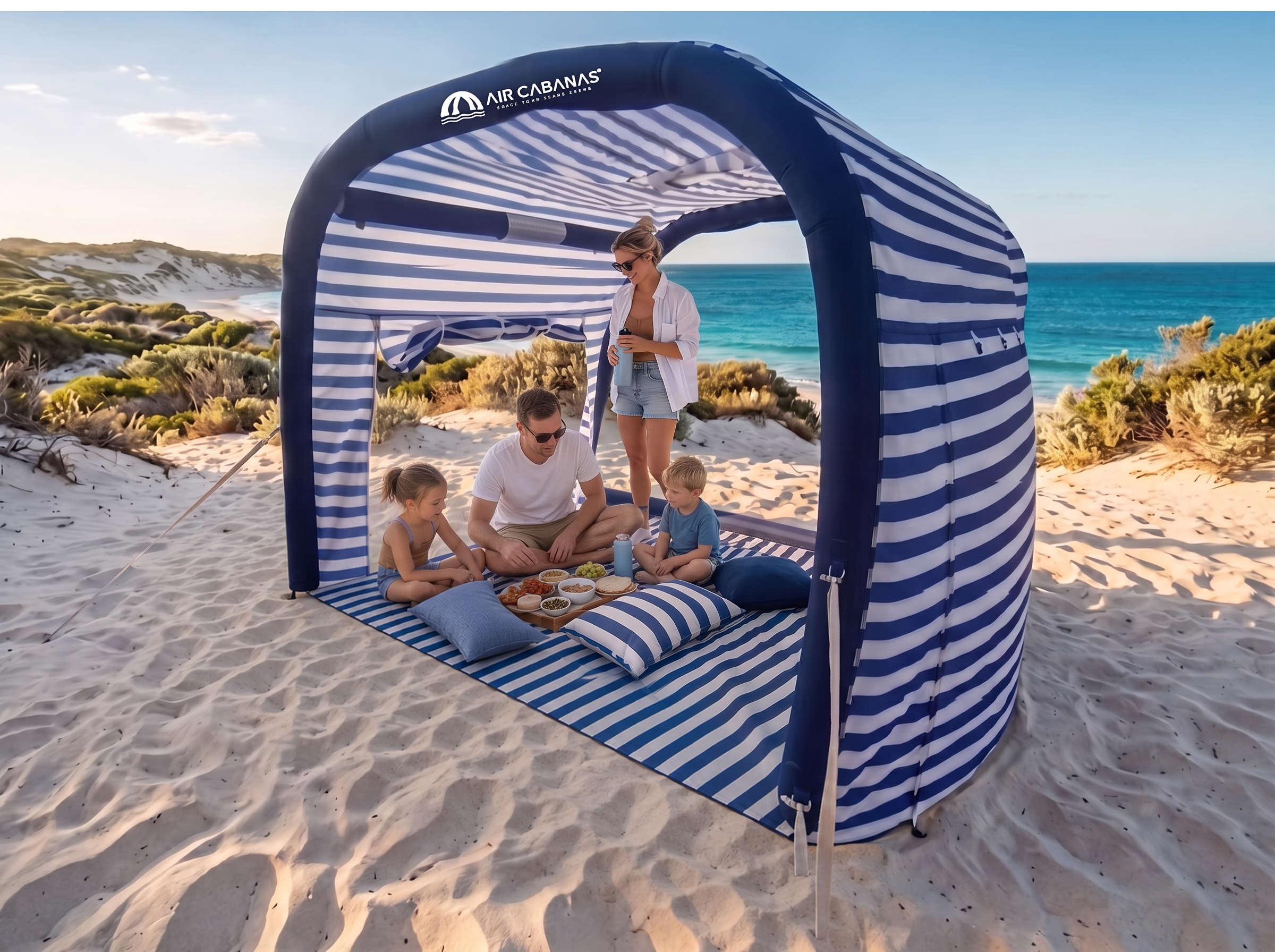
Australian coastal mornings are truly magical, but a brisk breeze can sometimes turn a relaxing beach day into a challenging one. Finding effective **windy beach shade** is crucial for enjoying our stunning shores without battling the elements. This comprehensive guide will help you understand how to choose and set up the perfect shade solution, ensuring your time by the ocean is always comfortable and enjoyable, even when the wind picks up.
Understanding Australia's Coastal Winds
Australia's coastline is renowned for its natural beauty, but it's also famous for its dynamic weather patterns, particularly the consistent coastal winds. These breezes, often delightful on a hot day, can quickly become a nuisance if you're not prepared with the right beach shelter. Understanding the typical wind conditions, such as the sea breeze that often picks up in the late morning, is the first step to a comfortable beach experience. Being aware of these patterns allows you to plan your visit and prepare your shade solution accordingly, ensuring you can relax rather than constantly adjusting your setup.
Coastal winds are influenced by various factors, including local topography, time of day, and larger weather systems. Onshore winds, which blow from the sea towards the land, are common and can make setting up traditional pole-frame cabanas quite tricky. These winds can cause fabric to flap loudly and poles to become unstable if not properly anchored. Learning to observe the environment and anticipate these shifts is key to a hassle-free day. A little foresight goes a long way in transforming a potentially blustery morning into a serene seaside escape.
Recognising the signs of increasing wind is a vital skill for any beach-goer. Look at the water's surface for whitecaps, observe how flags or trees on the shore are moving, and pay attention to weather forecasts before you leave home. Being proactive about wind conditions means you can choose the right spot on the beach and deploy your shade effectively. This preparation ensures that your beach time is spent enjoying the sun, sand, and surf, rather than wrestling with an uncooperative shade structure. Safety should always be paramount, so never ignore strong wind warnings.
Choosing the Best Windy Beach Shade Solution
When selecting a beach shade for those breezy Australian mornings, not all options are created equal. Traditional beach umbrellas, while convenient, often prove inadequate against stronger gusts, sometimes even becoming dangerous projectiles. Pole-frame cabanas offer more stability but can be cumbersome to set up and pack down, especially when the wind is already active. The ideal solution provides robust protection, is easy to deploy, and can withstand the rigours of a windy coastal environment without constant vigilance.
Modern beach shade designs have come a long way, focusing on portability, stability, and ease of use. Innovations in materials and structural integrity mean you no longer have to compromise comfort for convenience. Look for features like strong, flexible frames, durable fabrics, and effective anchoring systems. An AirCabana, with its inflatable air-tube structure, offers exceptional stability and ease of setup, making it a standout choice for those seeking reliable protection from the wind and sun. Its robust design is specifically engineered for challenging beach conditions.
Ultimately, the best **windy beach shade** is one that gives you peace of mind. It should allow you to relax and enjoy your time, rather than constantly worrying about your shelter. Consider how easy it is to carry, how quickly it can be erected, and most importantly, how well it stands up to the elements. Investing in a high-quality shade solution means more enjoyable beach days and less stress, letting you fully immerse yourself in the beauty of the Australian coast, regardless of the breeze.
Reading Onshore Wind and Orienting Your Cabana
Successfully setting up your beach cabana on a windy day begins with understanding the wind direction. **Reading onshore wind** involves observing the environment around you to determine exactly where the breeze is coming from. Look at the direction of waves hitting the shore, the movement of sand, or even how other beachgoers' towels are fluttering. This initial observation is critical because it dictates the optimal position for your shade structure, maximising its stability and your comfort. A few moments of observation can save you a lot of hassle.
Once you've identified the wind direction, the next crucial step is **orienting your cabana** correctly. The general rule of thumb is to position the back of your cabana, or the most robust side, directly into the wind. This minimises the surface area exposed to the direct force of the wind, reducing flapping and preventing the structure from acting like a sail. For an AirCabana, its aerodynamic design naturally helps it cut through the wind, but proper orientation still enhances its performance and your overall comfort.
Consider the sun's path as well when orienting your cabana. While wind protection is paramount on breezy days, you still want to ensure adequate sun protection throughout your stay. A smart setup involves a compromise, or an adaptable design that allows you to adjust your shade as both the sun and wind shift. With an AirCabana, its generous shade footprint can often provide excellent coverage even when angled into the wind, ensuring you remain shielded from harmful UV rays while enjoying the fresh air. Always ensure all anchoring points are securely fastened for maximum stability.
Anchoring Techniques for Maximum Stability
Even the most robust beach shade is only as good as its anchoring. On windy Australian beaches, proper anchoring is non-negotiable for both safety and comfort. For pole-frame cabanas, this typically involves deeply burying sandbags, screwing in sand pegs, or using sturdy guy ropes. The goal is to create a secure, immovable base that can resist the lifting and pushing forces of the wind. Never underestimate the power of a strong gust; inadequate anchoring can lead to your shade structure becoming a hazard.
AirCabanas are designed with integrated, robust anchoring points, making them particularly effective in breezy conditions. Their unique air-tube structure provides inherent stability, but utilising the provided sandbags or pegs to their full potential is still essential. Always fill sandbags completely and bury them deep, or screw pegs firmly into the sand until they are completely secure. The more tension you can create on the guy ropes, the more resistant your cabana will be to the wind's force, ensuring it stays put.
Beyond the initial setup, it's important to periodically check your anchors throughout the day, especially if the wind direction or intensity changes. Sand can shift, and ropes can loosen, so a quick check can prevent issues. If the wind becomes excessively strong, it's always safer to pack down your shade rather than risk damage or injury. Prioritising safety and taking the time to anchor correctly ensures your beach experience remains enjoyable and worry-free, allowing you to truly relax under your chosen **windy beach shade**.
Essential Accessories for a Windy Beach Day
Beyond the cabana itself, a few key accessories can significantly enhance your comfort and enjoyment on a windy beach day. A good quality beach mat or ground sheet can help keep sand at bay, especially when the wind is whipping it around. Look for options that are easy to clean and can be anchored down themselves to prevent them from flying up. These small additions create a more contained and pleasant space within your shade, making it feel like a true outdoor room.
For securing personal items, heavy-duty clips or weighted bags can be invaluable. These can prevent towels, hats, and other light belongings from being carried away by a sudden gust. Consider a pop-up windbreak or a low-profile beach chair to further shield yourself from horizontal drafts. While an AirCabana provides excellent overhead and side protection, these extra layers can create an even more serene microclimate within your shaded area, allowing you to read or relax undisturbed.
Hydration is always crucial, but particularly so on windy days, as the breeze can be deceptively dehydrating. Pack a sturdy cooler with plenty of water and snacks. Keep all food items in sealed containers to prevent sand contamination. A compact, wind-resistant beach bag with a secure closure is also a smart investment to protect your electronics and valuables from sand and spray. Thoughtful preparation with these accessories ensures your focus remains on relaxation, not battling the elements.
Maintaining Your AirCabana in Coastal Conditions
An AirCabana is built to withstand the rigours of Australian coastal conditions, offering durable and reliable **windy beach shade**. To ensure its longevity and continued performance, a little care goes a long way. After each use, especially on sandy or salty days, it's advisable to thoroughly clean your AirCabana. Shake off any loose sand, and if possible, rinse the fabric with fresh water to remove salt residue, which can degrade materials over time. This simple step prevents build-up and keeps the fabric in top condition.
Proper drying is crucial before storing your AirCabana. Packing away a damp cabana can lead to mildew and unpleasant odours, compromising its material integrity. Ensure it is completely dry, ideally by air-drying it in a shaded, well-ventilated area, before folding it down and placing it back in its carry bag. This meticulous approach to drying not only preserves the fabric but also prevents any damage to the inflatable air tubes, ensuring they remain airtight and ready for your next adventure.
Regularly inspect your AirCabana for any signs of wear and tear, paying close attention to seams, anchoring points, and the air tubes. While AirCabanas are designed for durability, proactive maintenance can address minor issues before they become larger problems. If you notice any small punctures or abrasions, refer to the care instructions for repair options. By following these simple maintenance tips, your AirCabana will continue to provide exceptional **windy beach shade** and comfort for countless coastal mornings to come, making it a worthwhile investment for any beach lover.
Frequently asked questions
How do you keep a beach tent from blowing away?
To stop a beach tent from blowing away, always use deep, well-filled sandbags or screw-in sand pegs. Ensure all guy ropes are taut and secured. Orient the most stable side or back of the tent into the wind direction. For AirCabanas, utilise their robust, integrated anchoring points for maximum stability in breezy conditions.
What is the best shade for a windy beach?
The best shade for a windy beach is one with a robust, flexible frame and effective anchoring. AirCabanas are excellent as their inflatable air-tube structure provides superior stability and cuts through the wind. Avoid flimsy umbrellas; opt for a cabana designed for wind resistance and easy, secure setup.
How do you set up a beach umbrella in strong wind?
Setting up a beach umbrella in strong wind is challenging and often not recommended for safety. If you must, choose an umbrella with a vented canopy and a sturdy pole. Bury the pole deep into the sand, angling it slightly into the wind, and use additional sand anchors or spiral pegs for extra stability. Always supervise it closely.
Are pop-up beach shelters good for wind?
Some pop-up beach shelters can offer light wind protection, but many are not designed for strong winds. They often lack robust anchoring and can be prone to collapsing or flying away. For truly windy conditions, a more substantial cabana, like an AirCabana, with secure anchoring systems, is a much safer and more reliable choice.
How do you stop sand from blowing under a cabana?
To minimise sand blowing under your cabana, ensure it's oriented correctly into the wind, with any lower sides or walls facing the breeze. Using a beach mat or ground sheet inside can also help contain sand. Some cabanas, like the AirCabana, have lower profiles or optional side walls that offer better protection from wind-blown sand.