Beach Shade Sail vs. Pole-Frame Cabana: The Ultimate Australian Beach Shade Showdown
Choosing the right beach shade can make or break your Aussie beach day. We dive deep into the pros and cons of beach shade sails and modern pole-frame cabanas, focusing on rigging, ballast, and practicality on sandy shores.
Published 2026-09-28T20:00:25.357+00:00
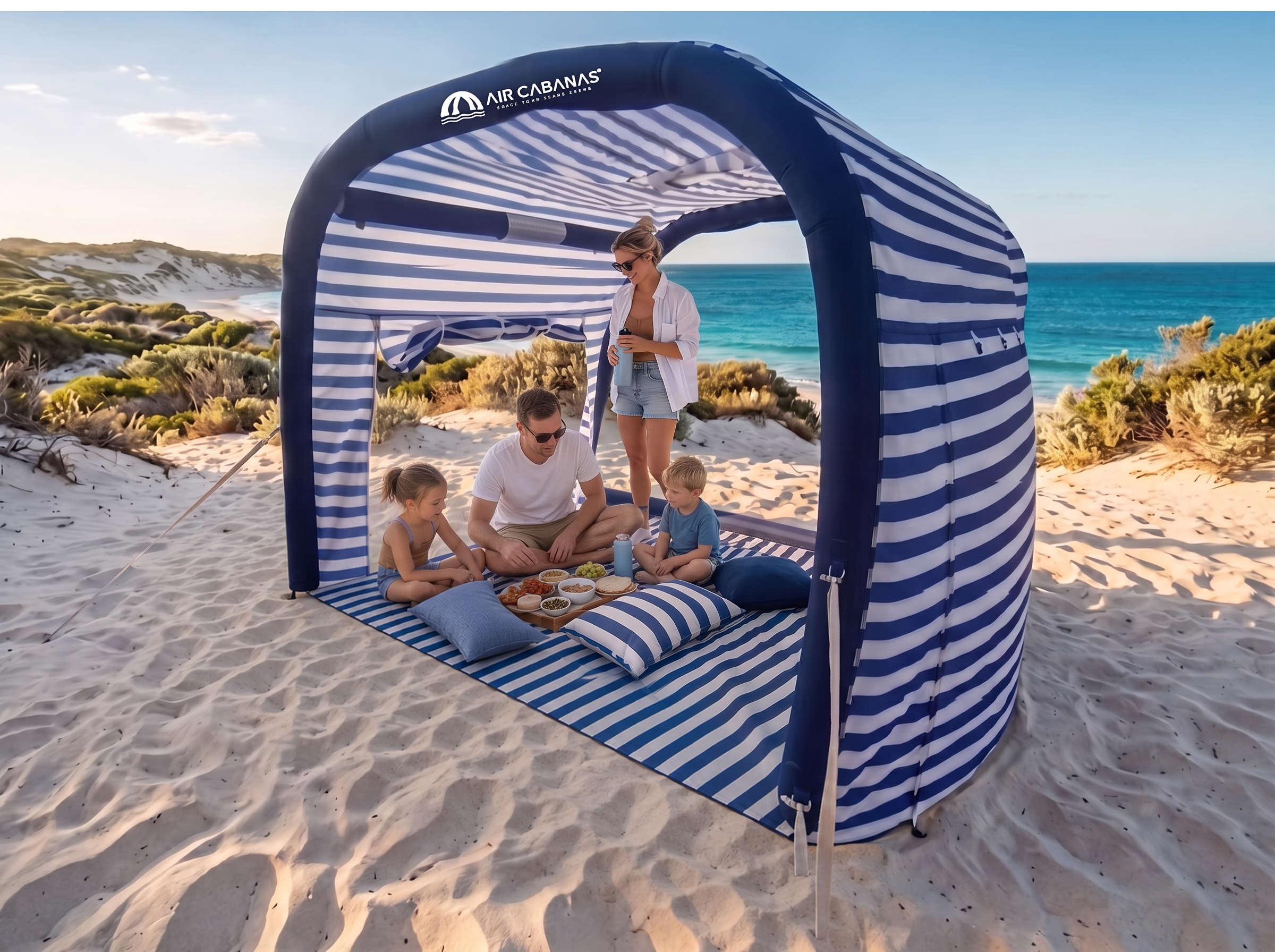
Australia's beaches are legendary for their golden sands and sparkling waters, but the sun here is no joke. Finding the perfect shade solution is crucial for a comfortable and safe day out. For years, beach-goers have wrestled with various options, from traditional umbrellas to complex shade sails. But with advancements in design, a new contender has emerged: the modern, easy-to-pitch pole-frame cabana. This guide will put beach shade sails head-to-head with contemporary pole-frame cabanas, dissecting their practicality, rigging effort, and stability on our beloved sandy shores.
Understanding Your Shade Needs: More Than Just a Canopy
Before we compare specific shade types, it's essential to understand what makes a great beach shade. It's not just about blocking UV rays; it's about stability in coastal breezes, ease of transport, quick setup and pack-down, and how well it integrates with your beach day activities. Australian conditions demand a robust solution, capable of handling varying sand types and unpredictable winds. The ideal shade should offer ample coverage without becoming a logistical nightmare.
Beach Shade Sails: The Traditionalist's Choice with a Twist
Beach shade sails, often made from stretchable fabric, are a popular choice for those seeking a minimalist approach to shade. They typically involve a piece of fabric, often rectangular or triangular, stretched between poles or fixed points. While they can be very effective at blocking the sun, their practicality on a dynamic beach environment is where the real challenge lies. The concept is simple, but the execution can be anything but.
Rigging Effort: A Two-Person Job, Often More
Setting up a beach shade sail generally requires patience, a good understanding of geometry, and often, an extra pair of hands. You'll typically need to position multiple poles, often telescopic, and then stretch the fabric taut using ropes and ground anchors. Achieving the right tension across all points to prevent sagging and flapping can be a wrestling match, especially if the wind picks up mid-setup. The process is rarely quick or effortless, detracting from the spontaneous joy of a beach trip. Many users find themselves constantly re-adjusting ropes and poles, rather than relaxing.
Ballast and Anchoring: The Sand Challenge
Anchoring a shade sail effectively on sand is perhaps its biggest hurdle. Standard tent pegs often pull out easily from soft sand, especially under tension from wind. This necessitates more robust anchoring solutions like sand screws, sandbags, or even burying sections of the sail's fabric under sand mounds. While effective, these methods add significant time and effort to the setup process. Incorrect anchoring can lead to the sail collapsing, or worse, becoming a wind-borne hazard. Always ensure your shade sail is securely anchored and packed down if conditions become unsafe.
Practicality on Sand: Footprint and Flexibility
Once set up, a shade sail can offer good coverage, but its footprint can be extensive due to the guy ropes and anchoring points radiating outwards. This can be problematic on crowded beaches or if you want to reposition your shade. The open-sided nature means sun protection can be limited as the sun moves, requiring constant adjustment of the sail or your position. While some find the open feel appealing, it offers less defined shelter from wind or stray sand.
Pole-Frame Cabanas: Modern Convenience Meets Robust Design
Enter the modern pole-frame cabana – a design evolution that addresses many of the challenges posed by traditional beach shade solutions. These structures are engineered for stability, ease of use, and effective sun protection, making them increasingly popular among Australian beach-goers. They offer a more defined, self-contained shaded space, often with four corner poles and a canopy overhead, reminiscent of a small, open-sided room.
Rigging Effort: Designed for Simplicity and Speed
One of the standout features of modern pole-frame cabanas is their significantly reduced rigging effort. Many contemporary designs, like the AirCabana, feature intuitive, quick-assembly pole systems that snap or click into place. The canopy often attaches directly to the frame, eliminating the need for complex rope tensioning. Setup can often be achieved by one person in minutes, allowing you to spend less time struggling with poles and fabric, and more time enjoying the beach. This streamlined process is a game-changer for families or anyone who values convenience.
Ballast and Anchoring: Integrated Stability
Pole-frame cabanas are designed with integrated stability solutions for sandy environments. Instead of relying solely on small pegs, they often incorporate large, fillable sand pockets or broader, robust feet at the base of each pole. These can be filled with sand, providing substantial weight and a wide surface area to prevent sinking and uplift. The structure's inherent rigidity, once assembled and ballasted, makes it far more resistant to gusts than a flexible shade sail. Always ensure sand pockets are fully filled and packed down firmly to maximise stability, and if winds become too strong, pack down your cabana for safety.
Practicality on Sand: Defined Space, Enhanced Comfort
The contained structure of a pole-frame cabana offers a more practical and comfortable shaded space. The four-post design provides consistent shade coverage throughout the day with minimal adjustment, and the defined walls (even if open) offer a sense of privacy and can help mitigate wind-blown sand. Their compact footprint, relative to the shade provided, means they fit well on busy beaches. Models like the AirCabana Breeze offer excellent ventilation while maintaining shade, creating a comfortable microclimate for relaxation.
Key Differences at a Glance
To summarise the core distinctions between these two popular beach shade options, let's look at a quick comparison:
Setup Time & Effort:
**Shade Sail:** Often requires two people, multiple ropes, and significant tensioning; can be fiddly and time-consuming.
**Pole-Frame Cabana:** Typically quicker and easier, often single-person setup, with pre-attached canopies and intuitive pole systems.
Wind Resistance & Stability:
**Shade Sail:** Relies heavily on taught ropes and deep anchors; susceptible to flapping and collapse if not perfectly tensioned or if anchors fail in soft sand. Must be packed down in strong winds.
**Pole-Frame Cabana:** More inherently stable due to rigid frame and integrated sand pockets/feet; offers better resistance to moderate winds when properly ballasted. Always pack down in unsafe conditions.
Shade Coverage & Flexibility:
**Shade Sail:** Open sides mean sun angle can easily reduce shade; requires repositioning or adjusting throughout the day. Large footprint due to ropes.
**Pole-Frame Cabana:** Defined, consistent shade area; often offers better all-day protection from direct sun. More compact footprint.
Portability:
**Shade Sail:** Often lighter and more compact when packed, but poles can still be bulky.
**Pole-Frame Cabana:** Can be slightly heavier due to frame, but often packs into a well-designed carry bag for easy transport, like the AirCabana Classic.
Why AirCabana Stands Out in the Pole-Frame Category
While many pole-frame cabanas offer superior performance to shade sails, AirCabana designs take these advantages to the next level. Our focus on user experience, durability, and thoughtful engineering makes them a top choice for Australian beach lovers.
Consider the AirCabana Family model, designed with generous dimensions to comfortably shelter an entire group, or the AirCabana Classic, perfect for couples or smaller families seeking robust, easy-to-use shade. Each model features reinforced stitching, UV-resistant fabrics, and smart anchoring solutions that truly perform on sandy beaches. We understand the unique demands of the Australian coastline and engineer our products to meet them, ensuring your beach day is about relaxation, not frustration.
Making Your Choice: Beyond the Fabric and Poles
Ultimately, the best beach shade for you depends on your priorities. If you value absolute minimalism and don't mind a more involved setup process, a well-rigged shade sail can work. However, for most Australian beach-goers – especially families, those seeking quick setup, or anyone tired of battling the wind – the convenience, stability, and superior design of a modern pole-frame cabana offer a significantly better experience.
Think about how often you go to the beach, who you go with, and what level of effort you're willing to put into setting up your shade. For reliable, hassle-free sun protection that lets you maximise your beach time, the advantages of a quality pole-frame cabana are clear.
Essential Beach Shade Safety Tips for All Users
No matter which shade solution you choose, safety should always be your top priority. The Australian sun is powerful, and coastal winds can be unpredictable. Always follow these guidelines:
1. **Anchor Correctly:** Ensure all poles, ropes, or sand pockets are firmly and deeply anchored into the sand. Test the stability before relaxing under your shade.
2. **Monitor Conditions:** Keep an eye on the weather forecast and changing wind conditions. If winds pick up significantly, it's safer to pack down your shade.
3. **Sunscreen is Key:** Shade provides protection, but it doesn't block 100% of UV rays. Always wear broad-spectrum sunscreen, a hat, and sunglasses.
4. **Stay Hydrated:** Drink plenty of water throughout the day to prevent dehydration.
5. **Pack Down Neatly:** When leaving the beach, ensure all components are packed away securely, leaving no litter behind.
By adhering to these simple rules, you can enjoy the beach safely and comfortably with your chosen shade solution.