Beach Shade Durability: What Fails First and Why (and How to Fix It)
Discover the key wear points in beach shades, how to repair them, and what truly makes a beach shade last for years of sun-soaked Australian adventures. Understand long-term value beyond the initial purchase.
Published 2026-09-27T20:00:32.154+00:00
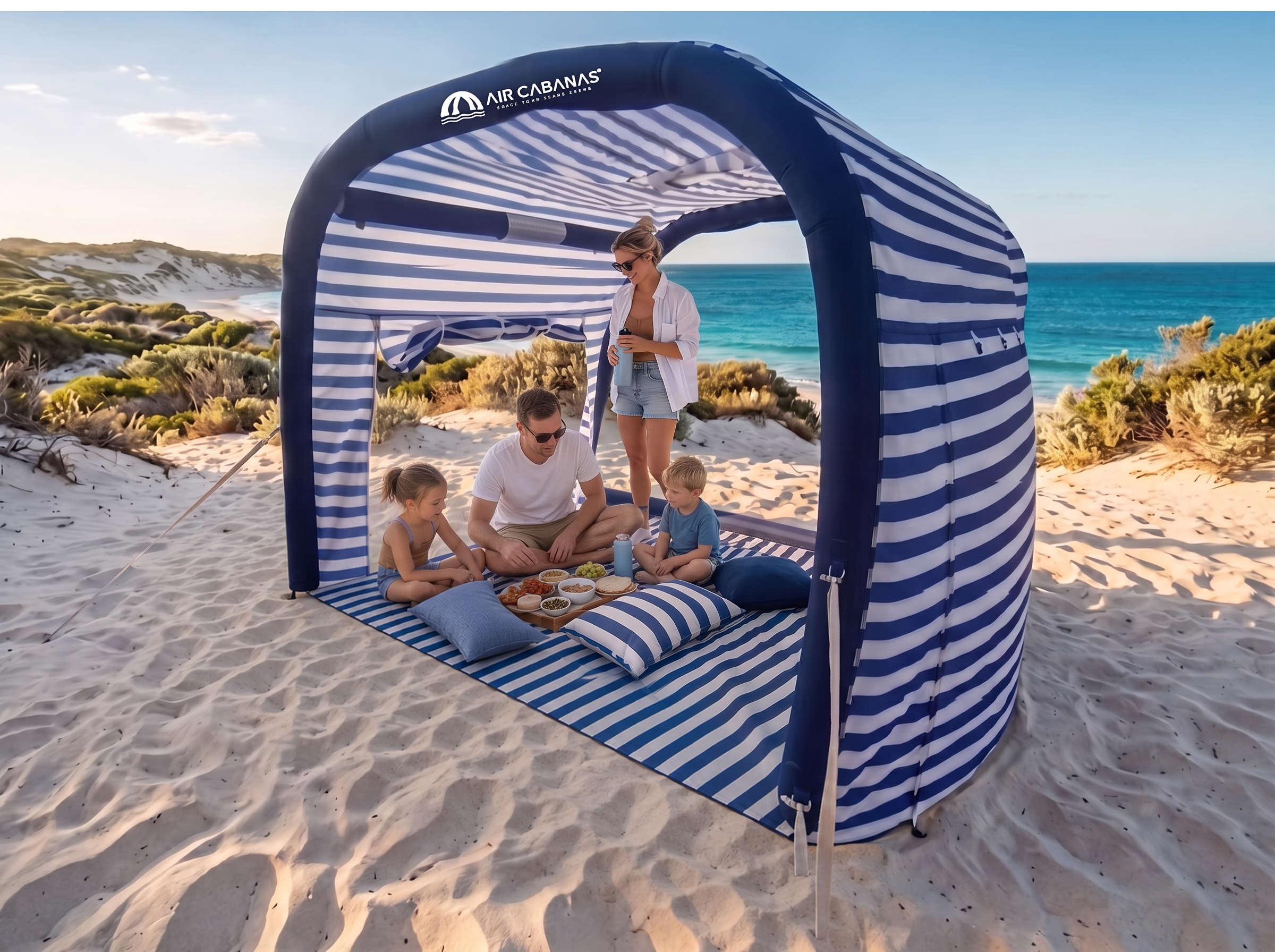
Australians love their beaches, and a reliable beach shade is essential for enjoying our stunning coastlines safely and comfortably. But how long should a good beach shade last? And what are the common culprits that lead to premature failure? In this comprehensive guide, we'll dive deep into the anatomy of beach shade durability, exploring the wear points, offering practical repair tips, and helping you understand the true value of a long-lasting sun shelter. From the harsh Australian sun to unexpected gusty winds, your beach shade faces a lot. Let's uncover what fails first and how to keep your beach haven standing strong, season after season.
Understanding the Anatomy of Beach Shade Wear and Tear
Before we can discuss repairs and longevity, it’s crucial to understand the components of a typical beach shade and how they interact with the harsh Australian beach environment. Every part, from the fabric to the frame, is under constant assault from UV radiation, salt, sand, and wind. Identifying these stress points is the first step in extending the life of your investment.
The primary function of a beach shade is to provide UV protection and shelter. This means the fabric is arguably the most critical component. However, the structural integrity provided by the frame, poles, and anchoring systems is what keeps the fabric taut and effective. Often, a failure in one area can cascade, leading to issues in others. For example, a weakened frame can cause undue stress on the fabric, leading to tears, while a compromised anchoring system can result in the entire structure collapsing in wind, damaging multiple components.
The Relentless Sun: Fabric Degradation
The Australian sun is beautiful, but its UV rays are incredibly damaging to most materials. Over time, UV radiation breaks down the polymers in beach shade fabrics, leading to fading, brittleness, and a significant reduction in strength. This degradation is often subtle at first, manifesting as a slight discolouration, but it progresses to a point where the fabric can tear with minimal force.
High-quality fabrics, like those used in AirCabana products, are designed with advanced UV resistance. This doesn’t make them immune to degradation, but it significantly slows the process. Look for fabrics that boast high UPF (Ultraviolet Protection Factor) ratings, as this indicates their ability to block harmful rays and often correlates with better UV stability in the material itself. Regular cleaning and proper storage away from direct sunlight can also help slow this process.
Wind, Sand, and Salt: Frame and Pole Stress
Wind is a beach shade’s natural enemy. Constant buffeting can put immense stress on poles, joints, and connection points. Even seemingly calm days can have sudden gusts that test the limits of your shade’s frame. Sand and salt, while less dramatic, contribute to wear by acting as abrasives and corrosives.
Poles, especially those made from lesser-quality materials, can bend, crack, or even snap under sustained wind pressure. Joints, often made of plastic or thin metal, are notorious failure points, as they bear the brunt of torque and flexing. Salt spray can corrode metal components, weakening them over time, while fine sand can abrade moving parts or get into hinges, causing stiffness or damage. This is where the robust design of a product like the AirCabana Breeze, with its strong, flexible frame, truly shines, offering resilience against these environmental factors.
Common Failure Points: What Breaks First?
Based on extensive observation and user feedback, certain components of beach shades are more prone to failure than others. Understanding these common weak links can help you make informed purchasing decisions, perform preventative maintenance, and execute timely repairs.
Stitching and Seams: The Hidden Weakness
Often overlooked, the stitching that holds fabric panels together and attaches reinforced stress points can be a primary failure point. UV degradation weakens the thread, and constant tension from wind can cause seams to unravel or tear. Punctures from sharp objects or general abrasion can also initiate seam failure. Inspect seams regularly for fraying or loose threads. Minor fraying can often be reinforced with a strong outdoor-grade thread and needle, or even a specialised fabric glue designed for outdoor use.
Pole Connectors and Joints: Plastic Fatigue
Many pole-frame cabanas rely on plastic connectors or hinges. While initially strong, these plastics can become brittle over time due to UV exposure and repeated stress from assembly/disassembly and wind. Cracks in these connectors can quickly lead to structural collapse. For minor cracks, a strong epoxy or plastic-specific adhesive can offer a temporary fix, but replacement parts are often the best long-term solution. When choosing a shade, look for robust, high-grade plastic or metal connectors, like the reinforced hubs found in the AirCabana Classic, which are designed for superior durability.
Elastic Cords and Shock Cords: Loss of Tension
Inside many tent poles, elastic shock cords hold segments together, making assembly easier. Over time, UV exposure, salt, and repeated stretching cause these cords to lose their elasticity or even snap. While not a structural failure in itself, it makes assembly frustrating and can indicate overall material degradation. Replacing shock cords is a relatively straightforward DIY repair, requiring new elastic cord (available at camping stores) and a bit of patience to re-thread through the poles.
Anchoring Points and Guy Ropes: The Foundation's Vulnerability
The points where guy ropes attach to the fabric, and the ropes themselves, are subjected to immense stress, especially in windy conditions. Grommets can pull out, fabric can tear around reinforced patches, and ropes can fray or snap. Sand pegs can bend or fail to hold in soft sand. Always ensure your anchoring system is robust and correctly deployed. For instance, AirCabana designs incorporate reinforced anchor points and provide sturdy sand pegs to maximise stability. If a grommet pulls out, a repair kit with new grommets and a strong fabric patch can often fix it. Frayed ropes should always be replaced immediately.
Proactive Maintenance: Extending Your Beach Shade's Life
Prevention is always better than cure. A few simple maintenance practices can dramatically extend the lifespan of your beach shade, saving you money and ensuring countless more days of comfortable beach-going.
The key to longevity lies in understanding the environmental stresses your shade endures and taking steps to mitigate them. This isn't just about cleaning; it's about mindful use and storage that respects the materials and design.
Cleanliness and Storage: The Unsung Heroes
After every beach trip, shake off as much sand as possible. Salt is corrosive, so if possible, rinse the fabric and poles with fresh water, especially if you’ve been near the surf. Ensure the shade is completely dry before packing it away to prevent mould and mildew, which not only smell bad but also degrade fabric. Store your shade in a cool, dry place, away from direct sunlight, which can continue to degrade materials even when packed away. An AirCabana, for example, comes with a convenient carry bag that makes storage and transport easy, encouraging proper care.
Regular Inspection: Catching Problems Early
Before and after each use, take a few minutes to inspect your entire shade. Look for: frayed stitching, small tears in the fabric, bent poles, cracks in connectors, loose elastic cords, and worn guy ropes. Addressing minor issues early prevents them from becoming major, irreparable damage. A small tear can be patched; a large one might require professional repair or replacement.
Proper Setup and Anchoring: Crucial for Structural Integrity
This cannot be stressed enough: always follow the manufacturer’s instructions for setup and anchoring. In windy conditions, ensure all guy ropes are taut and securely pegged. Use sand pegs appropriate for the conditions, or fill sandbags if provided. Never assume your shade will withstand strong gusts without proper anchoring. If winds pick up significantly, it is always safer to pack down your shade. Products like the AirCabana Family are designed for stability, but even the best design relies on correct setup to perform optimally in challenging conditions.
DIY Repairs: Giving Your Shade a Second Life
Many common beach shade failures can be repaired at home with a few basic tools and materials. Embracing DIY repairs not only saves money but also reduces waste, contributing to a more sustainable lifestyle. Don't be intimidated; most repairs are simpler than you think!
Patching Fabric Tears
Small tears can be repaired using specialised fabric repair tape (often self-adhesive and waterproof) or a fabric patch kit. For larger tears, cut a patch from a similar material (or a repair kit patch) that extends at least 2-3cm beyond the tear on all sides. Use a strong, waterproof fabric adhesive or sew it on with outdoor-grade thread. Ensure the patch is applied to the underside of the fabric for best aesthetics and weather resistance.
Replacing Shock Cords
If a shock cord breaks, carefully remove the old cord. Measure the length needed, adding a little extra for knots. Thread the new elastic cord through all pole segments. Tie a secure knot at one end, thread through the pole sections, then pull taut and tie another secure knot at the other end. Test the tension to ensure poles snap together firmly but can still be disassembled. This is a common and easy fix that makes a huge difference in convenience.
Reinforcing or Replacing Grommets
If a grommet pulls out, you can purchase grommet repair kits from hardware or camping stores. These kits typically include new grommets and the tools needed to install them. For added strength, apply a fabric patch to the area before installing the new grommet, reinforcing the fabric around the anchor point. This is particularly useful for high-stress areas like the corners of your AirCabana.
Straightening or Replacing Bent Poles
Minor bends in aluminium poles can sometimes be gently straightened using a rubber mallet and a sturdy surface, but be careful not to create kinks or stress fractures. For significantly bent or snapped poles, replacement sections are often available from the manufacturer or generic camping suppliers. Measure carefully and ensure the diameter matches. Some poles can be sleeved with a repair tube for a temporary fix.
When to Invest in a New Shade: Assessing Long-Term Value
While repairs can extend the life of your beach shade, there comes a point when the cost and effort of repair outweigh the benefits. Understanding when to replace your shade is key to getting the best long-term value and ensuring continued safety and protection for your family.
Consider the cumulative damage. A single repair is fine, but if you're constantly patching holes, replacing poles, and mending seams, the overall integrity of the structure may be compromised. At this point, even a perfectly repaired section might be adjacent to a weakened area, leading to new failures.
Cumulative Damage and Material Fatigue
If your shade has multiple areas of significant UV degradation (brittle, faded fabric), numerous broken pole sections, or widespread seam failure, it might be time for an upgrade. Material fatigue means that even if you fix one part, another is likely to fail soon after. A shade that is constantly failing can also be a safety hazard, especially if it collapses unexpectedly. A new, robust shade like the AirCabana Breeze offers peace of mind and superior performance.
Safety Concerns
A compromised beach shade offers less protection from the sun and is more likely to fail in wind. If the fabric's UPF rating is visibly diminished (due to extensive fading and degradation), or if the frame struggles to stay upright even in moderate breezes, it’s no longer providing its core function effectively. Your family's safety and comfort on the beach should always be the top priority. A reliable shade, correctly anchored, is essential for a worry-free beach day.
The Value Proposition of Quality
Initially, a cheaper, lesser-quality shade might seem like a good deal. However, if it only lasts one or two seasons before requiring significant repairs or replacement, the true cost quickly escalates. Investing in a high-quality beach shade, like any of the AirCabana models, means investing in superior materials, thoughtful design, and robust construction that stands up to the Australian environment for many years. This long-term durability translates to better value, fewer headaches, and more enjoyable beach days.
Why AirCabana is Designed for Durability and Longevity
At AirCabana, we understand the demands of the Australian beach environment. Our designs are not just about aesthetics; they are meticulously engineered for durability, ease of use, and, crucially, longevity. We believe a beach shade should be an investment that serves your family for many seasons, not just one.
Every aspect of an AirCabana, from the choice of fabric to the frame components and anchoring systems, is selected and tested to withstand the specific challenges of sun, sand, salt, and wind. This commitment to quality is what sets us apart and ensures you get the most out of your beach shade.
Premium Materials for Extreme Conditions
We use high-grade, UV-resistant fabrics with excellent UPF ratings to ensure maximum sun protection and slow down material degradation. Our frames are constructed from robust, flexible materials that can flex under wind pressure rather than snap, offering superior resilience. Reinforced stitching and high-quality connectors further enhance structural integrity.
Thoughtful Design for Ease of Maintenance and Repair
AirCabana products are designed not only to last but also to be maintainable. Our modular designs mean that if a component does eventually wear out after years of use, it can often be replaced, rather than requiring an entirely new shade. This commitment to repairability extends the life of your product and reduces environmental impact. We also provide clear instructions for care and setup, empowering you to maximise your shade's lifespan.
Anchoring Systems You Can Trust
Recognising that anchoring is crucial, AirCabana shades come with robust anchoring solutions, including sturdy sand pegs and reinforced attachment points. We always advocate for correct and secure anchoring and encourage users to pack down their shade in strong winds, ensuring both the longevity of the product and the safety of beachgoers. When properly set up, an AirCabana provides a steadfast haven against the elements.