
Beach Picnic Setup: Your Ultimate Guide to Shaded Dining
Master your beach picnic setup with expert tips on shade layout, food safety, and plush pillow seating. Create a luxurious, sand-free Australian coastal feast.
Published 2026-10-27T20:00:40.245+00:00
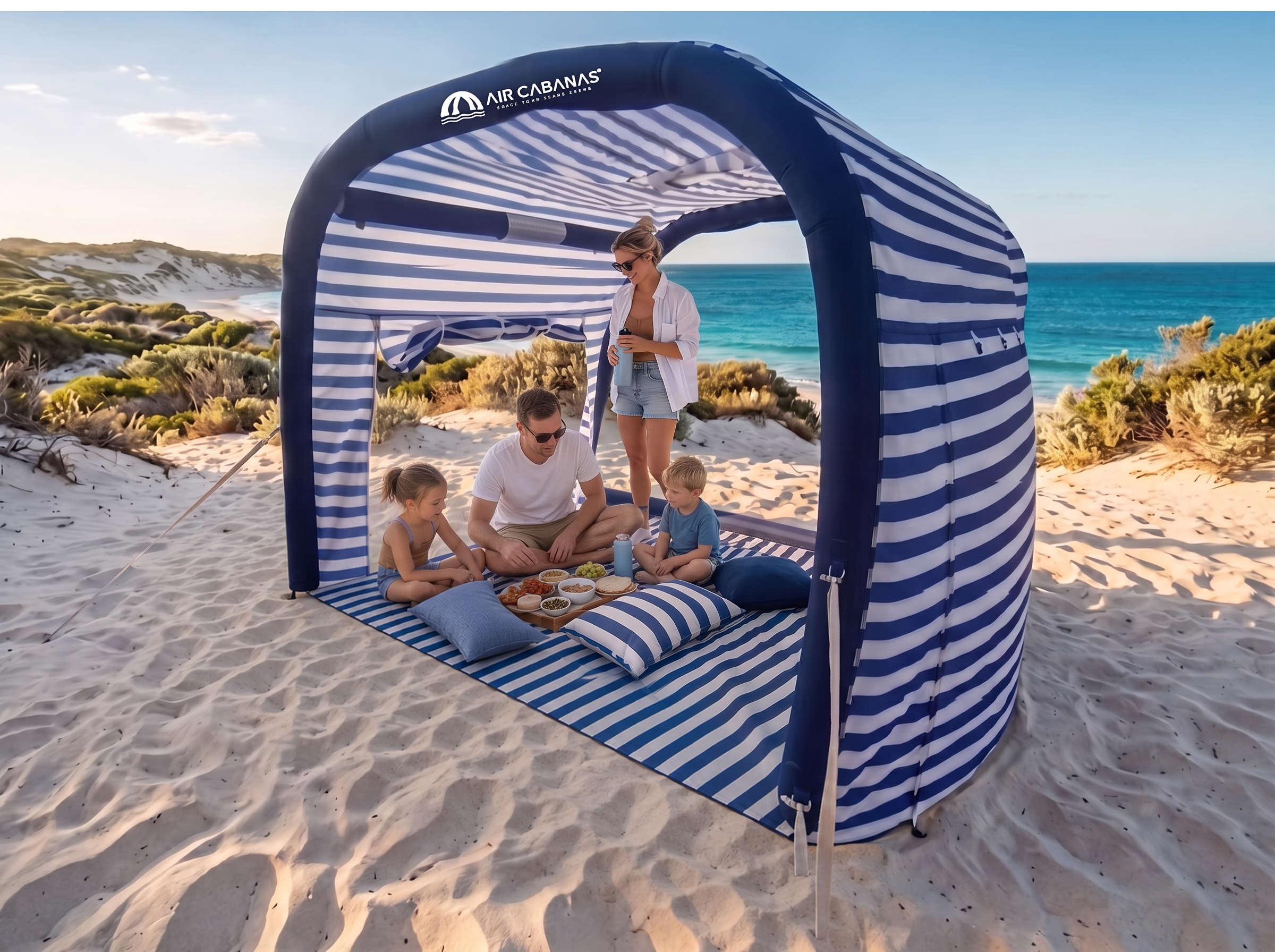
There are few Australian pastimes more magical than spreading out a coastal feast beside rolling surf, yet curating the ultimate beach picnic setup requires far more than tossing a towel over hot sand. Between blustery sea breezes, relentless UV levels, and creeping tides, executing a stress-free gathering demands clever preparation. Whether you are assembling an intimate sunset date or a lively weekend spread with friends, crafting a comfortable, sand-free oasis beneath reliable UPF50+ shade ensures your food remains fresh, your drinks stay ice-cold, and your guests recline in complete coastal bliss.
The Foundation: Choosing the Right Shelter for Your Beach Picnic Setup
An unforgettable afternoon by the ocean always starts with reliable shelter. When planning an ambient, unhurried lunch on the coast, setting up your beach picnic setup beneath generous UPF50+ shade dictates whether you stay for twenty minutes or settle in until golden hour. The Australian sun is uncompromising, and without a reliable protective canopy, even the most photogenic dining platter will rapidly wilt beneath high UV levels. Selecting a shelter that pitches without hassle allows you to focus on the sensory pleasures of ocean breezes, chilled drinks, and great company rather than battling stubborn hardware.
Traditional pole-frame cabanas have served beachgoers for decades, yet wrestling with rigid metal uprights, sharp corner joints, and tangled stays on an exposed coastline can be taxing. If a sudden onshore gust rolls across the dunes, rigid poles introduce unnecessary tension and pinch points. This is why more coastal enthusiasts are upgrading to modern air-tube shelters like the AirCabana. Utilising integrated structural air beams instead of metal poles, an AirCabana inflates in minutes with a high-capacity hand pump, offering forgiving flex and remarkable stability over coastal sand without sharp, brittle components.
Whether you prefer a breezy, open-sided cool cabana layout or an inflatable canopy with removable wind walls, the physical footprint of your shelter forms the perimeter of your temporary seaside living room. Take your time assessing the wind direction, tide lines, and pedestrian thoroughfares before driving home your corner sand pockets or pegs. Orienting your shelter entrance slightly away from the prevailing sea breeze blocks flying grit from peppering your cheese board while drawing refreshing coastal air through the shaded interior.
Reading the Tide Lines and Coastal Conditions
Before unrolling your picnic rug, cast an eye over the high-water debris line to ensure incoming tides will not swamp your coastal feast. Choose firm, level sand set well back from active surf wash and tumbling shore breaks. Sandy depressions can collect blown drift, while elevated ridges offer panoramic ocean views and consistent air movement, creating an idyllic microclimate for long, lazy weekend grazing.
Mastering the Layout: Flow, Zones, and Comfort Under Canopy
Creating a functional, welcoming picnic footprint requires thoughtful spatial planning. When organising the interior of your shade shelter, establishing a clear layout separates dining, lounging, and utility storage so guests can move around effortlessly. A common beach pitfall is grouping everything onto a single blanket, which inevitably leads to tipped tumblers, sandy dips, and cramped legs. By dedicating specific quadrants beneath your shade structure to food prep, relaxation, and gear stowage, your seaside setting becomes as comfortable as an alfresco dining terrace.
Position your central dining area along the most protected, shaded quadrant, leaving the outer fringes for footwear, paddle boards, and beach totes. Place your heavy cool bag or esky along the windward perimeter where it can act as a subtle buffer against ground-level gusts and anchor your layout. Ensuring there is an unobstructed pathway from the edge of the shade down towards the water line prevents sand from being repeatedly kicked across your pristine linen tablecloths or central grazing spread.
A multi-tiered arrangement works wonders for both casual grazing and aesthetic appeal. Low timber folding tables or inverted wooden crates form a sturdy platform for stemless glassware, dipping bowls, and platters, keeping them elevated several inches above the fine quartz sand. Setting these low tables directly in the centre of your shelter creates an intuitive gathering hub, inviting friends to gather around comfortably while keeping perishable foods out of direct foot traffic.
Luxurious Seating with Pillows, Throws, and Sand-Free Rugs
True coastal leisure depends heavily on the tactile comfort of your base layer. Perfecting your seating with pillows transforms an ordinary stretch of foreshore into a plush, bohemian haven where guests can linger for hours. Begin with a high-density, water-resistant ground tarp or woven sand-free mat that acts as an impermeable barrier against damp coastal sand. Layering washed linen blankets, vintage cotton throws, or Turkish towels directly over this base introduces softness and warmth underfoot.
Cushioning is the secret to enduring beach comfort, especially when sitting cross-legged on compacted sand for extended lunches. Incorporate an abundance of outdoor-rated floor cushions, bolster pillows, and oversized European shams filled with weather-resistant inserts. Arrange these along the back wall of your shade structure to create supportive backrests, allowing guests to recline effortlessly with a book or cocktail. Natural textures such as jute, canvas, and breathable slub cotton feel gentle against sun-warmed skin while resisting coastal humidity.
To keep your seating pristine throughout the day, designate a firm boundary for beach footwear just outside the canopy perimeter. A small timber slatted mat or dedicated canvas basket where guests can kick off their thongs prevents gritty granules from migrating onto your crisp textiles. Keeping a soft horsehair dustpan brush or natural bristle bench brush stowed discreetly inside your picnic basket allows you to sweep away stray sand drifts in seconds, preserving a calm, restorative retreat.
Rigorous Food Safety and Menu Curation for Australian Heat
Coastal dining demands disciplined food safety standards to prevent elevated summer temperatures from spoiling your carefully planned feast. The Australian sun can push ambient air temperatures inside uninsulated bags into the danger zone within an hour, creating bacterial risks for dairy, seafood, and cured meats. High-grade rotomoulded eskies or heavily insulated soft coolers packed with commercial freezer blocks—rather than loose ice that melts into lukewarm water—are indispensable for preserving fresh ingredients at or below five degrees Celsius.
When curating your menu, lean towards resilient, crowd-pleasing provisions that hold their texture and flavour in maritime conditions. Marinated olives, crusty sourdough boules, hard cheeses like aged gouda or cloth-bound cheddar, seed crackers, and vibrant vegetable mezze platters withstand ambient warmth far better than delicate soft cheeses or mayonnaise-based salads. If serving fresh prawns, oysters, or sushi, keep them securely sealed inside the deepest layer of your chilled cooler, transferring them onto serving boards only moments before eating.
Smart serving presentation also preserves hygiene when gusty sea breezes kick up. Swap out wide, shallow bowls for lidded Weck jars, enamel tins, and glass clamp containers that shield food from airborne sand until the exact moment of serving. Fabric bowl covers with elasticised edges or beeswax wraps offer reusable, eco-friendly protection against curious coastal flies and sudden winds, ensuring your dining experience remains stress-free and hygienic from first bite to last crumb.
Securing Your Beach Picnic Setup Against Coastal Elements
Coastal weather is inherently dynamic, meaning a stable, well-anchored beach picnic setup is vital for peace of mind. Ocean breezes can change direction swiftly with afternoon thermal shifts, placing sudden uplift forces on your shade structure. Regardless of whether you are pitching an inflatable AirCabana or an alternative shade canopy, you must secure every anchor point before dressing your interior with textiles and dining platters. Never cut corners on anchoring, as an airborne canopy poses immediate hazards to other beachgoers.
Begin by filling every exterior corner ballast pocket to maximum capacity with dense, damp sand scooped from beneath the dry top layer. Wet sand provides substantially greater ballast weight, locking your canopy corners firmly to the beach. For sandy foreshores subject to rolling sea breezes, supplement ballast pockets with wide-flange sand stakes or spiral screw pegs driven at a forty-five-degree angle away from the shelter. Ensuring guy ropes possess adequate tension prevents fabric flap and preserves the structural integrity of your canopy.
Always maintain active supervision over your shade installation throughout the afternoon. Keep an eye on anchor points as sand naturally settles or shifts under foot traffic, topping up ballast pockets if necessary. If conditions deteriorate unexpectedly, onshore squalls develop, or wind speeds create turbulent buffeting, prioritise safety above aesthetics: swiftly pack down your canopy, secure loose cushions, and enjoy the remaining hours wrapped in blankets at dune level or head home safely.
Curating the Atmosphere: Drinks, Hydration, and Seaside Ambience
Beyond comfortable seating and delicious food, ambient coastal gatherings thrive on sensory details that enhance the natural seaside soundtrack. Hydration is an absolute essential under strong UV; complement your wine or craft spritzers with insulated growlers of chilled water infused with cucumber ribbons, fresh mint, and sliced citrus. Insulated stainless steel tumblers or acrylic stemless wine glasses keep drinks crisp and refreshing while avoiding dangerous broken glass along the tideline.
Consider bringing a compact, water-resistant Bluetooth speaker to provide a gentle acoustic backdrop, keeping volume levels low to respect fellow beachgoers sharing the sand. A portable battery bank tucked inside an organiser tote keeps phones and cameras charged for sunset photography. As the afternoon softens into twilight, switch on battery-operated fairy lights or windproof LED lanterns clustered around low dining tables to cast a warm, golden glow across your canvas ceiling.
A truly polished host also plans for sun recovery and personal care. Pack an open basket stocked with reef-safe SPF 50+ sunscreen, hydrating aloe vera face mists, natural insect repellent, and spare linen shirts for guests feeling the chill as the sun dips below the horizon. These thoughtful hospitality touches elevate your gathering from a standard shorefront lunch into an indulgent, restorative escape that lingers fondly in everyone's memory.
Leave No Trace: Effortless Pack-Down and Coastal Care
An extraordinary day by the water ends with responsible stewardship of our fragile coastal environments. The golden rule of any seaside outing is leaving the beach cleaner than you found it, preserving pristine dunes and marine ecosystems for local wildlife and future visitors. Before deflating your canopy or rolling up your textiles, conduct a methodical grid search across your picnic perimeter to collect bottle caps, fruit rinds, napkins, and tiny micro-rubbish that easily slip beneath dry sand.
Pack-down becomes seamless when approached with an orderly system. Begin by clearing food platters, sealing leftovers into leakproof containers, and packing them directly into empty cooler compartments. Next, shake out sand from cushions, throws, and linen blankets well downwind from other beachgoers before folding them neatly into heavy canvas totes. Having designated wet bags for damp towels and rubbish sacks for recyclables keeps your vehicle clean and tidy for the return drive.
Finally, releasing the rapid-deflation valves on an air-tube shelter like the AirCabana collapses the structure in seconds, flat-packing smoothly without stubborn metallic joints or jammed telescopic buttons. Empty sand ballast pockets thoroughly, refill any large holes dug for anchoring to leave an even foreshore surface, and hoist your compact carry bag over your shoulder. Leaving the beach untouched reflects true coastal culture and ensures every return visit remains pure joy.
Frequently asked questions
Planning a coastal gathering brings up practical questions about gear, styling, and etiquette. Here are answers to the most common queries Australians search before pitching their shade.
How do you set up a beach picnic without sand getting everywhere?
Start with a large water-resistant ground tarp beneath your blankets, and position a low timber table in the centre to keep food elevated off the ground. Place a timber slat mat outside your shelter entrance for kicking off thongs, use lidded jars or food tents, and keep a soft dusting brush handy to sweep away stray grains instantly.
What food is best to bring for a beach picnic?
Opt for resilient, finger-friendly items that do not spoil rapidly in warmth, such as hard cheeses, crusty sourdough, cured meats, seed crackers, grapes, and marinated olives. Keep all perishable dips, cold meats, and seafood locked inside a premium insulated esky with frozen gel blocks until the exact moment of serving under reliable shade.
How do you secure a cabana on a windy day at the beach?
Dig down to damp, compacted sand to completely fill all corner ballast pockets, as wet sand provides far superior weight. Angle heavy-duty sand pegs at forty-five degrees facing away from your shelter, pull guy lines taut, and orient your entrance slightly away from the prevailing breeze. If conditions become turbulent, always pack down your shelter safely.
Can you have a beach picnic anywhere in Australia?
Most Australian public beaches permit casual picnics, provided you avoid fragile sand dunes, respect native wildlife, and strictly observe local council regulations regarding alcohol consumption and commercial event permits. Always stick to established access tracks, leave no trace behind, and pack out all food scraps and rubbish when you leave the foreshore.