
Beach Mat or Bare Sand? Setting Up Your Beach Cabana
Beach mat or bare sand? Discover the best ground setup for open-front cabanas, how to keep grit out, and how to style your shaded Australian coastal camp.
Published 2026-11-01T20:00:59.383+00:00
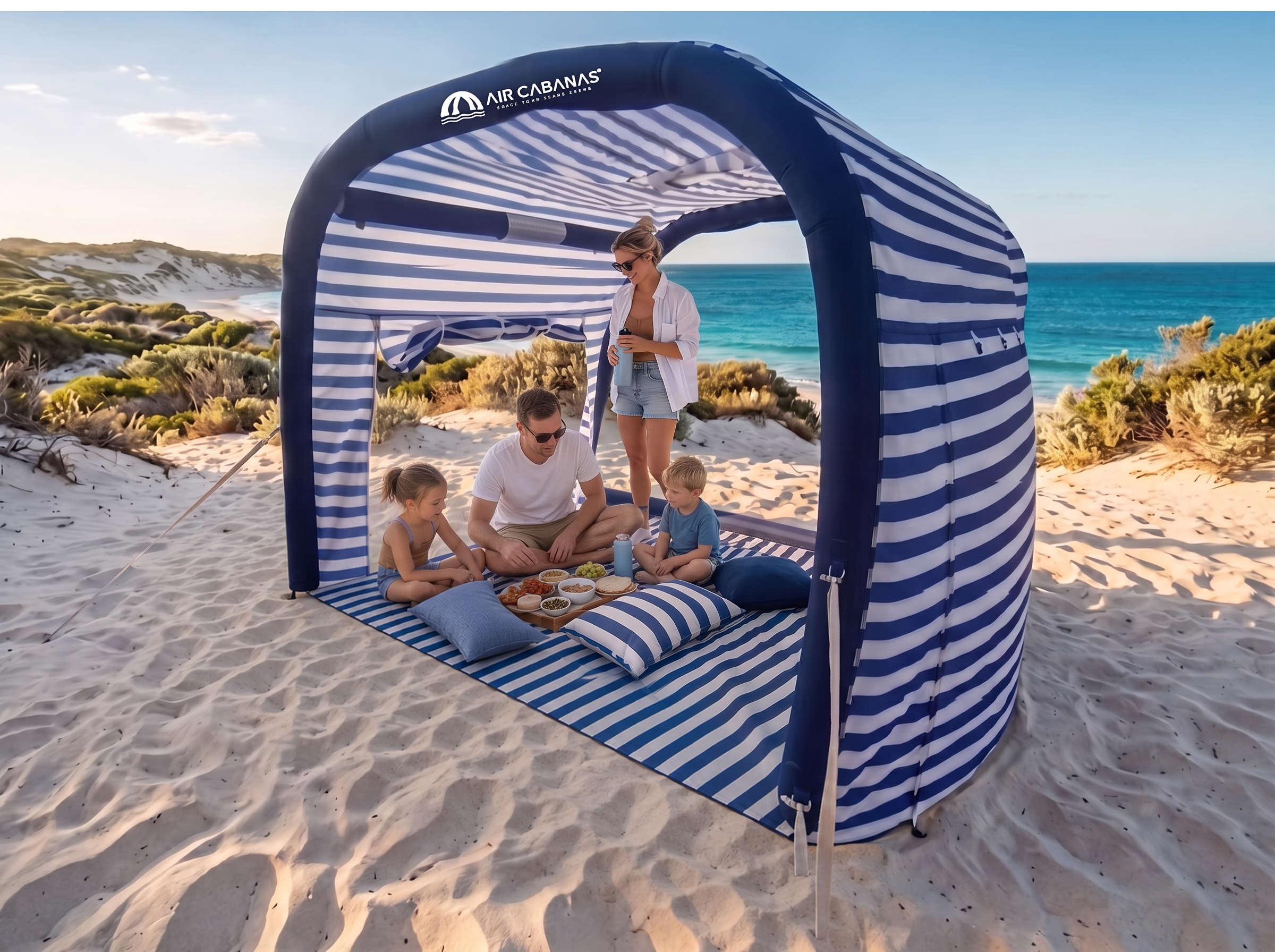
Stepping onto warm Australian shores on a classic summer morning is an unmatched coastal ritual, but deciding whether to roll out a beach mat or recline directly on cool, bare sand can make or break your day. Under an open-front shade, your ground setup dictates not only how comfortably you lounge, eat, and read, but also how much grit ends up clinging to your car seats on the drive home. Whether you are chasing effortless clean lines, family-friendly sandcastle zones, or a hybrid layout that offers the best of both worlds, setting up your beach shelter with intention creates the ultimate seaside oasis.
The Great Australian Dilemma: Beach Mat or Cool Bare Sand?
Rolling up to your local break on a sparkling Saturday morning always brings that familiar sense of anticipation. You have picked out the ultimate stretch of coast, lugged the esky across the dunes, and pitched your shelter against the gentle morning sea breeze. Yet, once your shelter is standing tall, an age-old coastal debate begins inside the perimeter: do you roll out a dedicated beach mat, or do you sink your toes directly into the bare sand? It sounds like a simple styling choice on the surface, but anyone who has spent full summer days along our coastline knows that this single decision dictates your comfort, your gear cleanliness, and how much grit follows you home in the car.
Bare sand has an undeniable romantic appeal that speaks to the classic Aussie beach ethos. There is nothing quite like kicking off your thongs, stretching out in the shade, and letting the cool subterranean grains mould beneath your heels. On scorching coastal afternoons, digging down just an inch or two into damp, sheltered sand offers instant natural air conditioning that synthetic fibres simply cannot replicate. For families with energetic toddlers, bare sand turns the entire covered area into an immediate, fuss-free construction zone for sandcastles, moats, and buried treasures without worrying about dirtying expensive textiles.
However, the romance of bare sand can unravel quickly once lunch emerges from the cooler or wet swimmers re-enter the equation. A sudden gust, an overenthusiastic dog dashing past, or wet footprints from a quick ocean dip can transform your pristine chill-out zone into a gritty frying pan. This is where laying down a quality mat establishes a clean baseline for food preparation, towel resting, and lounging. Deciding between the two—or adopting a clever combination—ultimately comes down to understanding your shelter's floorplan, your crowd, and how you manage movement throughout the day.
How Open-Front Walk-In Access Changes Your Ground Layout
Traditional beach tents and dome shelters have historically forced campers into an awkward crawl, funnelling everyone through a tight zippered opening that drags kilograms of grit across the threshold. In contrast, modern shade designs celebrate open-front walk-in access, entirely transforming how beachgoers interact with their sheltered space. When you can stroll straight into your shade without ducking, scrambling, or tripping over guy ropes, your ground setup no longer needs to be a closed, insulated bubble. Instead, it becomes an intuitive extension of the shoreline itself, offering unobstructed coastal vistas and maximum airflow from the breakers.
This unobstructed opening allows for a dynamic zoned approach that rigid, enclosed shelters could never accommodate. Because you can walk directly inside while standing upright, you can establish clear traffic lanes from the high-tide line into your personal oasis. With open-front walk-in access, many experienced coastal campers choose to leave the front third of their shaded footprint as bare sand, reserving it as a natural transitional buffer. Here, wet boards can rest, sandy flip-flops can be kicked aside, and salt-crusted kids can pause before stepping further into the protected interior.
At the rear of the shelter, shielded from direct foot traffic and windblown spray, you can lay down your designated clean zone. This spatial freedom lets you enjoy the tactile bliss of bare sand right at the threshold while preserving an elevated, grit-free sanctuary deeper inside. Whether you are setting up an air-tube shelter like an AirCabana or managing a conventional shade awning, exploiting this open architecture turns your beach day into a seamless indoor-outdoor coastal living experience where you never feel cramped or hemmed in.
Choosing the Right Beach Mat for Coastal Conditions
If you decide to lay down a protective ground layer, grabbing an old bathroom rug or a frayed picnic blanket will only lead to heartache. High-humidity saltwater environments demand textiles specifically engineered to withstand punishing ultraviolet radiation, abrasive quartz granules, and persistent sea spray. The modern beach mat has evolved far beyond the scratchy straw rolls of decades past, splitting into distinct material camps that cater to different coastal priorities: sand-filtering mesh, woven polypropylene, and heavy-duty water-resistant canvas.
Sand-free multi-weave mats have earned a massive following across Australian coastlines for very good reason. Engineered with patented dual-layer mesh weaves, these mats act as a one-way filter: loose sand that drops from your legs or blows in off the dunes falls straight through the porous layers under foot pressure, yet cannot work its way back up from beneath. While they can feel slightly stiffer under bare skin than plush cotton, their ability to maintain a genuinely grit-free platform through swirling coastal winds makes them worth their weight in gold during all-day sessions.
Woven polypropylene mats offer another fantastic, lightweight alternative for families. Completely waterproof, UV-stabilised, and naturally resistant to mould, these durable mats do not absorb dampness from wet boardshorts or damp morning sands. Any spills from juice boxes or melting ice blocks can be rinsed off with a quick splash from a water bottle, and a brisk snap at the end of the day dislodges dried debris in seconds. Whichever material you choose, ensure it features reinforced corner eyelets or stake loops so you can peg it down securely before the afternoon sea breeze builds.
Styling and Practicality: Striped Mats and Keeping Sand Out
There is an undeniable visual charm to the quintessential Australian coastline, where sun-drenched headlands meet vibrant rows of personal shade. Incorporating timeless striped mats and keeping sand out of your personal haven go hand in hand when curating a stylish yet highly functional setup. Crisp nautical navy, retro mustard yellow, and sage green stripes do more than just look stunning in holiday snaps; these bold geometric patterns actually disguise fine dust and dry grit far better than solid, monochromatic fabrics, keeping your camp looking pristine all afternoon.
To maintain that effortless resort aesthetic, keeping sand out requires establishing simple, preventative habits before anyone steps onto the woven surface. Position a small, shallow collapsible bucket filled with sea water just outside the entrance, paired with a natural bristle deck brush or soft dusting broom. Encouraging everyone to quickly rinse their feet or sweep off their shins before stepping inside keeps fine coastal powder from embedding itself into your woven textiles, preserving your relaxation space with minimal fuss.
Elevating critical gear off the floor is another essential styling trick that prevents grit contamination. Rather than tossing beach bags, linen shirts, and dry towels directly onto the ground, utilise interior hanging hooks or elevated mesh storage pockets. When you pair hard-wearing striped mats and keeping sand out techniques with an organised shelter layout, your beach camp shifts from a chaotic pile of sandy belongings into an airy, elevated retreat worthy of a long summer weekend on the coast.
The AirCabana Advantage: Open Floors and Effortless Beach Mat Placement
Anyone who has wrestled with setting up traditional pole-frame cabanas knows the ongoing battle with rigid structural uprights and obtrusive centre poles. A central mast planted firmly in the middle of your shade footprint effectively cuts your usable area into awkward wedges, forcing you to fold your ground cover in half or wedge textiles around metal uprights. In contrast, the AirCabana design replaces intrusive rigid poles with high-pressure, inflatable TPU air beams, creating a completely pillar-free interior with vast, uninterrupted headroom from corner to corner.
This wide-open footprint changes the game when it comes to rolling out your chosen beach mat. Without an awkward metal pole driving down through your living space, you can slide a generous queen-sized mat or multiple modular runners flat across the ground without bunching or awkward cutouts. An AirCabana provides a clean, continuous canvas beneath its UPF50+ canopy, allowing parents to stretch out fully alongside their kids, coolers, and daypacks without bumping into sharp aluminium joints or rigid struts that vibrate in coastal breezes.
Furthermore, the soft, flexible nature of air-tube technology complements relaxed coastal lounging. With no rigid overhead framework that could potentially pinch fingers or bend under stress, an aircabana delivers an exceptionally safe, stress-free environment for energetic families. Anchoring remains straightforward and remarkably effective using oversized corner sand pockets and heavy-duty pegs, giving you the freedom to customise your ground covering exactly as you see fit while your shade stays firmly planted on the shoreline.
Bare Sand Strategies: Embracing the Natural Shoreline
While a premium ground cover delivers undeniable neatness, choosing to go completely bare sand under your canopy possesses its own distinct tactical advantages that every beach lover should appreciate. Bypassing a floor layer eliminates one bulky item from your beach cart, significantly lightening your load on long treks over coastal dunes. More importantly, going completely floorless eliminates the frustrating 'flying carpet' effect, where an unsecured ground sheet catches an updraft and flaps violently against your legs during gusty conditions.
To thrive without a ground sheet, you simply need to manage the natural environment intelligently. When you first pitch your shade, take two minutes to kick away the dry, sunbaked surface layer until you expose the cooler, damp sub-surface sand. This provides an instantly refreshing thermal pad that keeps drinks cooler when nestled into the ground and prevents loose dust from blowing into your eyes while resting. For seating, swap out low-lying blankets for lightweight, rust-proof aluminium beach chairs or canvas loungers with wide feet that distribute weight evenly without sinking.
Bare sand also makes end-of-day packdowns delightfully fast and painless. When the sun dips below the headland and it is time to pack up, there are no grit-encrusted textiles to shake out against the wind, no wet fabrics that risk smelling like mildew in your boot, and zero maintenance required once you arrive home. You simply pack away your chairs, deflate your shelter, empty your sand anchors, and walk away with clean hands, having left the natural beach environment completely undisturbed.
Hybrid Setups: Combining Ground Mats with Bare Sand Zones
For seasoned coastal explorers who refuse to compromise between tactile sand-between-the-toes freedom and pristine dining hygiene, the hybrid setup is the ultimate solution. By deliberately dividing your shaded footprint into distinct operational zones, you capture the absolute best of both worlds. The beauty of this strategy is that it requires no extra equipment—simply positioning a mid-sized ground sheet intelligently within your overall covered footprint creates an intuitive split-level sanctuary.
A classic hybrid configuration places a durable, easy-clean mat across the back half of your shelter, reserved exclusively as a 'clean sanctuary' for sleeping infants, delicate electronics, reading material, and food prep. Meanwhile, the front half remains open, bare sand where salty beachgoers can transition, reapply sunscreen, and rinse off salt spray without worrying about tracking debris onto clean linens. This visual and physical boundary instantly trains young kids and guests to pause and dust off before crossing into the clean lounging quadrant.
To make this hybrid layout work seamlessly, align your shelter perpendicular to the prevailing sea breeze whenever conditions allow. Keep your heavy esky and dry dry-bags along the windward edge of the covered mat to anchor the corners naturally and act as a low-profile windbreak. With your food and resting zone safely tucked behind, you can recline on your mat with a cold drink while dangling your feet comfortably into the cool bare sand out front, enjoying the quintessential Australian coastal balance of comfort and wild natural freedom.
Coastal Safety: Anchoring, Wind Care and Responsible Sheltering
No matter whether you decide to recline on a high-tech ground cover or sink straight into the shoreline, your setup is only as good as your anchoring foundation. The Australian coastline is notoriously dynamic; a glassy morning can give way to a blustery southerly buster or an aggressive afternoon sea breeze within minutes. Regardless of whether you are pitching an inflatable AirCabana or managing traditional pole-frame cabanas, you must always take anchoring seriously right from the moment your canopy leaves its carry bag.
Never rely on standard lightweight wire pegs in loose coastal sand, where wind leverage can pop them free like toothpicks. Always utilise generous sandbags, burying them deep into damp, compacted sand rather than relying solely on dry, powdery surface grains. Angle your shelter thoughtfully into the wind so that incoming gusts flow smoothly over the aerodynamic profile rather than cupping underneath like a parachute. Even the most popular cool cabana setups can become dangerous hazards if left unattended or improperly ballasted on crowded public beaches.
Constant supervision is an essential duty of every responsible beachgoer. Keep a close eye on changing ocean conditions, shifting tides, and building squalls throughout your stay. If whitecaps begin dominating the horizon, flags start whipping violently, or gusts cause your shelter to strain against its tie-downs, do not attempt to brave the elements. Proactively pack down your shelter and mats, stow your gear safely in your cart, and retreat off the sand before conditions turn hazardous. Prioritising safety ensures that every trip to the coast remains a joyful, sun-safe memory for the whole family.
Frequently asked questions
Here are the answers to the most common questions Australian beachgoers ask when planning their shade and ground setup for coastal conditions.
Is it better to use a beach mat or a towel on sand?
A beach mat is significantly better than a towel as your primary ground layer. Towels absorb dampness from wet sand, trap sharp burs, and hold onto fine quartz grains that end up inside your car. A dedicated outdoor mat repels water, allows sand to brush off instantly or sift through its weave, and provides a much broader, durable footprint under your shelter, keeping your soft towels clean and dry exclusively for swimming.
How do I keep sand off my beach mat?
To keep sand off your mat, establish a dedicated cleaning station at the entrance of your shelter. Keep a small tub of seawater or a soft-bristled brush just outside to clean feet before stepping onto the fabric. Opt for sand-free multi-weave mats that let stray grains fall through, elevate bags onto interior hooks, and orient your setup so the prevailing wind blows across, rather than directly into, your entrance.
Can you leave bare sand under an AirCabana?
Yes, leaving bare sand under an AirCabana works brilliantly. Because the air-tube structure has no obstructive centre pole or base crossbars, you enjoy completely uninterrupted floor space. Sinking your feet directly into the cool sand creates a natural, relaxing coastal vibe, keeps packdown completely mess-free, and avoids dealing with flapping fabrics on gusty days. Many owners enjoy a hybrid setup with a small mat at the rear.
What is the easiest way to pack up a sandy mat?
The easiest way to pack up is to lift the mat by its four corners while keeping the sandy surface cupped inward. Have two people gently snap the mat up and down away from the wind so dry sand slides off without blowing onto nearby beachgoers. If it is damp, give it a quick brush down, fold it loosely for transport, and hose it clean once home.