Beach Cabana Safety Kids: Guide for Aussie Toddlers
Discover essential beach cabana safety kids guidelines for Australian shores. Learn how no hard frame designs and zero trip hazards protect active toddlers.
Published 2026-10-23T20:00:56.878+00:00
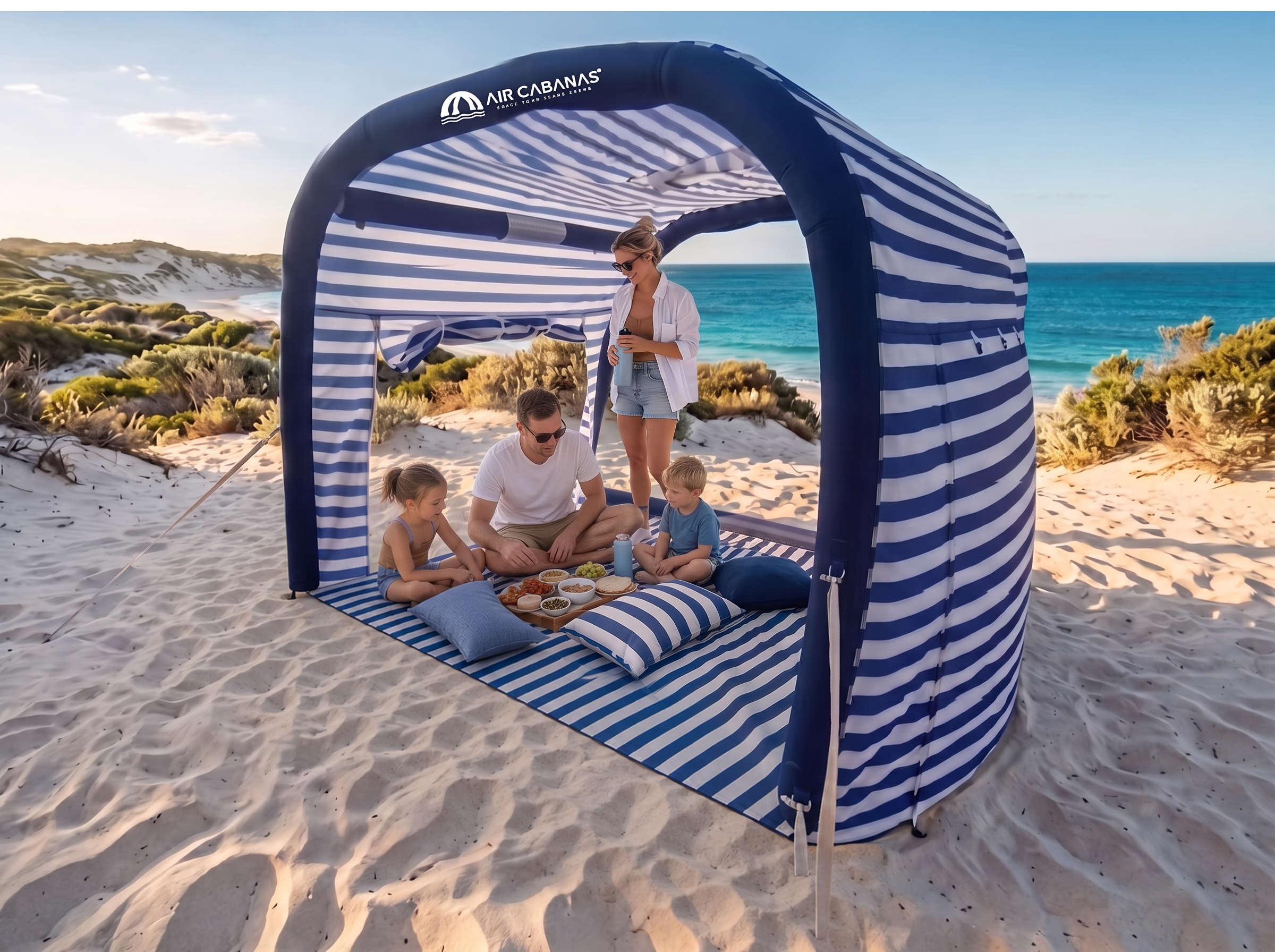
Planning a family beach day under the southern sun is one of life's great joys, but ensuring beach cabana safety kids standards are met is vital when toddlers are on the move. Between scorching UV rays, sudden coastal gusts, and unpredictable sand surfaces, standard beach setups can introduce hidden risks for unsteady little feet. From rigid metal frames that pinch curious fingers to invisible tension cords that cause painful tumbles, traditional shelters often fall short. Here is what Australian parents must look for to create a genuinely secure, child-friendly sanctuary on the sand.
Why Beach Cabana Safety for Kids Matters on Australian Shorelines
Taking energetic toddlers down to the sand is an iconic Australian weekend ritual, but it demands constant situational awareness. Between surging shore dumps, blazing UV radiation, and shifting coastal breezes, keeping little adventurers secure requires reliable gear. Shade is essential for sensitive young skin, yet many families overlook how the structure itself performs when curious hands start pulling, tugging, and climbing. Ensuring genuine beach cabana safety for kids means assessing every single component from ground level up to the canopy peak before settling in for the afternoon.
Traditional beach shelters frequently incorporate heavy, rigid parts that can turn an idyllic morning into an anxious ordeal. When toddlers find their footing on soft sand, their balance is notoriously unsteady. A sudden gust of wind or an accidental tumble into an upright metal leg can cause painful bumps, pinches, or worse. Australian beaches are dynamic coastal environments where wind directions swing without warning, meaning structural stability and gentle materials are paramount when young children are resting or playing beneath the fabric.
Investing in thoughtful shade design allows parents to actually relax rather than hovering over exposed joints and sharp anchor points. A well-designed sun shelter creates a tranquil sanctuary where toddlers can nap, rehydrate, and play quietly out of the direct bite of the sun. By understanding the common hazards hidden within conventional beach shelters, parents across Australia can make informed decisions that prioritise both sun protection and everyday physical safety for their growing families.
The Unique Hazards Faced by Toddlers on the Sand
Toddlers explore the natural world primarily through physical touch, movement, and uninhibited curiosity. On open sand, their walking gait is clumsy and unpredictable, causing frequent falls into whatever objects are within arm's reach. Low-lying tension lines, protruding ground pegs, and solid upright struts present immediate impact zones for soft brows and wobbly knees.
Furthermore, toddlers lack the spatial awareness required to avoid structural pinch points. When a shelter flexes under coastal onshore winds, mechanical joints and articulated scissor arms can compress without notice. Eliminating these mechanical pinch hazards around the family towel base is a fundamental pillar of childproofing your beach setup.
Structural Integrity: Choosing No Hard Frame Over Heavy Poles
When evaluating beach cabana safety for kids, the core architectural framework of your shelter is the most decisive factor. Conventional shade designs rely on rigid steel or aluminium central poles and radiating roof ribs to hold their form. While these structures have provided classic shade for decades, having no hard frame completely transforms the safety profile for families managing active toddlers who treat every pole like an obstacle course or a balance beam.
In rigid setups, sudden coastal gusts place massive mechanical torque onto metal struts. If a ground anchor loosens in dry, powdery sand, a stiff metallic frame can twist, topple, or buckle violently across your picnic blanket. Conversely, modern inflatable structures like AirCabana replace rigid metal skeletons with pressurised marine-grade air beams. If an energetic child loses their balance and collides with an air-filled upright, the soft beam simply yields under their weight and flexes without bruising, scrape marks, or sharp impact trauma.
Eliminating heavy aluminium poles also eliminates the risk of airborne metal projectiles. Every Australian beachgoer has witnessed an unsecured umbrella or pole frame tumbling down the sand on a blustery summer day. Choosing an air-tube architecture ensures that even in an accidental release, there are no heavy metal tubes, pointed tips, or brittle fittings capable of causing harm to your children or neighbouring families downwind.
Creating a Child-Safe Perimeter on Dynamic Coastal Sands
Establishing a clearly defined, child-safe perimeter around your beach camp is critical for keeping roving toddlers out of danger. A secure perimeter provides a visible boundary where youngsters understand they can safely sit, eat fruit, and play with their buckets without wandering into scorching hot sand or oncoming shore breaks. The geometry of your shade plays an enormous role in maintaining this protective sanctuary throughout changing tides.
Open, four-corner cabana profiles provide uninterrupted 360-degree sightlines, allowing parents to keep continuous watch over little ones playing near the water's edge while remaining sheltered underneath. Cabanas with closed fabric walls or deep tunnel designs can create dangerous blind spots where an adventurous toddler slips out of view in a split second. A transparent, open-sided footprint ensures supervision remains effortless from every angle of your towel layout.
To keep this perimeter stable throughout the day, weight distribution must be rock-solid. Dual-purpose corner pockets that fill with damp sand provide natural ballast, hugging the shoreline terrain without needing hazardous exterior anchor hardware. When the shelter’s boundary is weighted down naturally by native sand, your toddler's protected footprint remains grounded, inviting, and free from artificial obstructions that disrupt open play.
Eliminating No Trip Hazards and Low-Lying Tension Lines
Anyone who has watched a toddler navigate soft coastal dunes knows that maintaining footing is already a difficult balancing act. In this setting, having no trip hazards across the communal family living area is essential. Traditional camping gazebos and certain beach tents rely heavily on outstretched guy ropes and angled metal stakes hammered into the sand to resist coastal sea breezes, creating an invisible obstacle course for small running feet.
Low-lying guy cords become nearly invisible against bright white sand under high-glare midday sunlight. Toddlers rushing back to grab a water bottle or show parents a fresh seashell regularly catch their toes on these taut strings, leading to face-first tumbles into coarse sand or hard ground pegs. By opting for a self-supporting cabana profile that anchors cleanly at its four baseline corners, you keep the surrounding thoroughfare open, level, and entirely unobstructed.
In addition to avoiding external tension cords, inspect the interior perimeter for loose webbing loops, hanging adjustment straps, or dangling drawstrings. Toddlers are naturally drawn to tugging on loose cords, which can cause sudden collapses or tangled limbs. Streamlined, integrated ballast pockets eliminate external rigging altogether, allowing your family camp to remain tidy, open, and completely free from hidden foot-snags.
Beach Cabana Safety for Kids: Anchoring and Wind Realities
Understanding beach cabana safety for kids requires a realistic, grounded approach to Australian weather patterns. Our coastlines are famous for sudden thermal shifts, sweeping afternoon sea breezes, and gusty southerly busters. No beach shade on the market is completely wind-proof, and relying on untested gear in heavy weather puts little ones at direct risk. Safe beach days rely on proper anchoring habits, vigilant parental judgment, and understanding your shelter's physical thresholds.
Proper anchoring begins the moment your shade hits the sand. When using sand pockets for stability, always dig down past the dry surface layer to pack the ballast chambers with dense, damp sand. Wet sand offers substantially higher mass and friction than loose dry grains, anchoring the corners securely against shifting coastal updrafts. If your cabana uses auxiliary stakes, ensure they are soft, rounded sand pegs driven completely flush with the surface rather than sharp metal skewers left jutting into the air.
Most importantly, parents must embrace the golden rule of coastal shade management: never leave any beach shade unattended, and always pack down immediately if conditions deteriorate. If the wind picks up to the point where beach umbrellas are turning inside out and sand is whipping horizontally across the tide line, it is time to pack away the cabana and seek sheltered terrain. Regular monitoring of your anchoring points ensures that your family sanctuary remains secure, calm, and protective for little beachgoers all day long.
Sun Protection Ratings and Cool Airflow Dynamics
Physical safety on the beach encompasses environmental defence against Australia’s extreme UV index. Toddlers have thinner, more sensitive skin than adults, absorbing UV radiation faster and overheating far more quickly in stagnant conditions. A safe beach cabana must therefore combine maximum optical shade density with unimpeded coastal airflow to prevent heat exhaustion during long summer outings.
Look for canopies crafted from premium fabrics independently verified with a UPF50+ rating, which blocks over ninety-eight percent of harmful UVA and UVB radiation. However, high-density fabric alone is not enough if the cabana traps ambient heat like a greenhouse. Enclosed dome tents often become stifling ovens within minutes, driving toddler heart rates up and inducing irritability or dehydration. Open-sided cool cabana structures promote cross-ventilation, catching refreshing ocean breezes while casting deep, cooling shade across the sand.
Furthermore, consider the physical shadow footprint throughout the day as the sun moves across the sky. High-clearance cabanas allow parents to comfortably sit alongside their toddlers, making it easy to assist with continuous sunscreen reapplication, breast or bottle feeding, and cool water breaks. When your shade maintains comfortable internal temperatures and blocks intense UV bite, your toddler can safely recharge between dips in the shallows.
Pack-Down and Portability for Tired Parents
Safety extends beyond the sand to the trek across the dunes back to the car park. Australian parents routinely juggle diaper bags, esky coolers, swim vests, and exhausted, sun-tired toddlers who refuse to walk. A shade structure that takes twenty minutes of complicated wrestling with jammed spring buttons and tangled metal arms compromises overall safety by dividing your attention when your toddler is most vulnerable.
Modern air-beam alternatives like AirCabana streamline the entire pack-down sequence into seconds through quick-release high-volume dump valves. With no rigid hinges to lock or metal pins to disengage with sandy fingers, the shelter collapses softly and smoothly without pinching tired hands. This rapid, predictable breakdown means you never have to leave a wandering toddler unattended near the water while fighting with bent frame components.
Moreover, lightweight portability directly reduces physical strain. Compact carry bags featuring ergonomic shoulder straps leave your hands free to hold your toddler’s hand securely along busy coastal roads and uneven boardwalk stairs. When your beach shade is effortless to transport, erect, and pack away, family outings remain focused on joyful coastal memories rather than stressful logistics.
Frequently asked questions
Got questions about setting up safe shade for your little ones on Australian beaches? Here are the straight answers to the most common queries from parents.
Are beach cabanas safe for babies and toddlers?
Yes, beach cabana safety for kids is excellent when you choose open-sided, well-ventilated shelters with UPF50+ fabric. Avoid designs featuring rigid steel poles or low guy ropes that present impact and trip hazards for unsteady toddlers. Always anchor corners thoroughly with damp sand and maintain direct adult supervision at all times.
How do I anchor a cabana safely in soft sand?
Scoop away the dry top layer of sand and fill your cabana’s corner ballast pockets with heavy, damp sand from deeper down. Firmly tamp the sand down to maximise ballast weight. Never rely solely on short wire stakes in loose coastal dunes, as soft sand easily pulls free under sudden wind gusts.
What is better for toddlers, an air cabana or a pop-up tent?
An inflatable air cabana is generally much better for toddlers than an enclosed pop-up tent. Inflatable options have no rigid poles to cause bruising, zero pinch points, and four open sides that allow continuous cross-ventilation, preventing the dangerous heat buildup and visibility blind spots common to enclosed nylon tents.
Can beach cabanas blow away in high Australian coastal winds?
Any shade shelter can dislodge if it is incorrectly anchored or exposed to severe coastal winds. Pole-frame cabanas with rigid ribs can become dangerous if swept up by a sudden gust. Inflatable shelters flex with the breeze, but parents must always monitor conditions and pack down immediately when weather turns rough.
How much airflow does a toddler need under beach shade?
Toddlers require continuous, unobstructed airflow to regulate their body temperature in Australian summer conditions. Open-sided cool cabana shelters allow ocean breezes to circulate freely, sweeping away hot air. Avoid enclosed, multi-wall tents that trap heat and rapidly elevate the risk of toddler dehydration and heat stress.